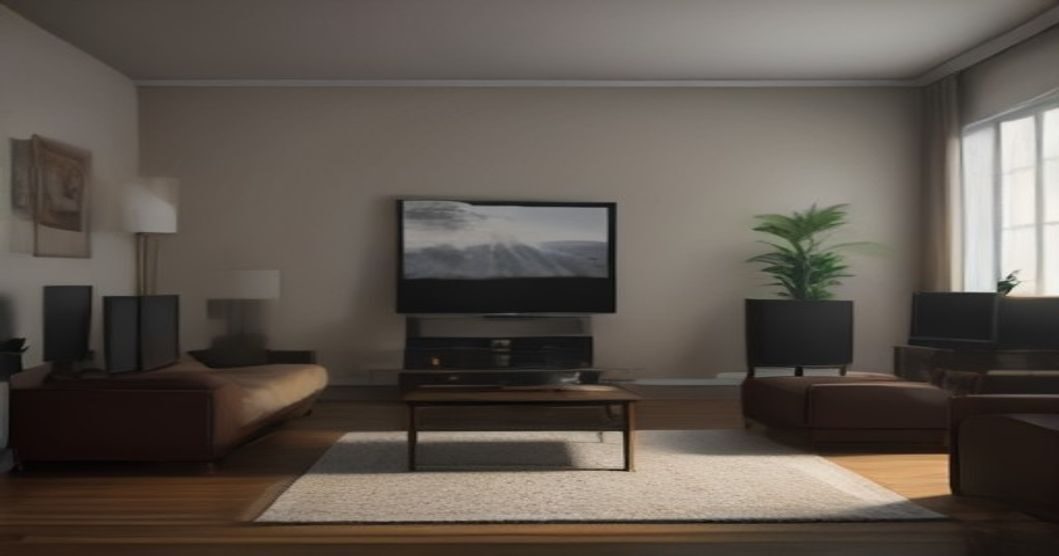
Home Entertainment Setup Guide 2026
Introduction
As we continue to move further into the 21st century, home entertainment has become an integral part of our lives. With the advent of cutting-edge technology, the way we enjoy our favorite movies, TV shows, music, and games has never been more immersive and engaging. However, with the numerous options available, setting up a home entertainment system can be overwhelming. In this comprehensive guide, we’ll walk you through the process of creating the ultimate home entertainment setup, tailored to your specific needs and preferences.
The Basics of Home Entertainment Setup
A home entertainment system typically consists of a few key components: a display device (e.g., TV or projector), a sound system, a source device (e.g., Blu-ray player or gaming console), and a controller (e.g., remote control or voice assistant). The choice of these components depends on your viewing habits, budget, and the type of content you want to enjoy.
When selecting a display device, consider factors such as screen size, resolution, and refresh rate. For instance, a 4K resolution and a high refresh rate of 120Hz or higher can provide a more immersive viewing experience.
A sound system is equally important, as it enhances the overall audio experience. You can choose from various types, including home theaters, soundbars, or separate speakers. Consider a system with a dedicated subwoofer for added bass and a rear speaker for a more immersive experience.
Choosing the Right Source Devices
The source device is the heart of your home entertainment system, responsible for delivering content to the display device. Common source devices include:
- Blu-ray players for high-definition video and audio
- Gaming consoles (e.g., PlayStation or Xbox) for interactive gaming and entertainment
- Streaming devices (e.g., Roku or Google Chromecast) for accessing online content
- DVD players for standard-definition video and audio
When selecting a source device, consider factors such as connectivity options (e.g., HDMI, USB, or Ethernet), compatibility with your display device, and any additional features (e.g., voice control or wireless connectivity).
Controller Options
A controller is used to navigate and interact with your home entertainment system. Common controller options include:
- Remote controls for traditional TV viewing and DVD playback
- Gamepads for gaming consoles
- Smart remotes for voice control and streaming devices
- Mobile apps for wireless control and customization
When selecting a controller, consider factors such as ease of use, ergonomics, and compatibility with your source device and display device.
Advanced Home Entertainment Features
For a more immersive experience, consider adding advanced features to your home entertainment system, such as:
- Lighting control for a cinematic experience
- Smart home integration for seamless control and automation
- High-end audio systems for enhanced sound quality
- Multi-room audio for simultaneous audio enjoyment in different rooms
Installation and Calibration
Proper installation and calibration of your home entertainment system are crucial for optimal performance. Consider hiring a professional for the initial setup or investing in a calibration kit for future adjustments.
Power and Cable ManagementMaintenance and Upgrades
To ensure your home entertainment system continues to perform optimally, regular maintenance is essential. This includes cleaning the display device, updating software and firmware, and replacing worn-out components. Additionally, consider upgrading your system as technology advances, allowing you to take advantage of new features and improved performance.
FAQs
What is the ideal room size for a home theater setup?
For an optimal home theater experience, a room with a minimum size of 10 feet by 12 feet (120 square feet) is recommended. This allows for a more immersive experience with a larger screen and better sound quality.
Can I use a soundbar with a TV that doesn’t have a built-in subwoofer?
Yes, you can use a soundbar with a TV that doesn’t have a built-in subwoofer. In fact, a soundbar with a dedicated subwoofer can enhance the overall audio experience and provide better bass response.
How do I connect my gaming console to a 4K TV?What is the difference between a 4K TV and a 4K Blu-ray player?
A 4K TV is a display device that can display content in 4K resolution, while a 4K Blu-ray player is a source device that can play 4K content. You’ll need both a 4K TV and a 4K Blu-ray player to enjoy 4K content.
Can I use a streaming device with a home theater system?
Yes, you can use a streaming device with a home theater system. Many streaming devices, such as Roku or Google Chromecast, can be connected to a home theater system, allowing you to access online content and stream it to your display device.
Conclusion
Setting up a home entertainment system can be a daunting task, but with the right guidance, you can create a system that meets your specific needs and preferences. By considering the basics of home entertainment setup, choosing the right source devices, and incorporating advanced features, you can enjoy an immersive and engaging entertainment experience in the comfort of your own home.
Final Thoughts
Remember, a well-designed home entertainment system is not just about the technology; it’s about creating a space where you can relax, enjoy your favorite content, and share experiences with family and friends. With the right setup and maintenance, your home entertainment system can become a beloved part of your daily life, providing hours of entertainment and enjoyment for years to come.
Leave a Reply