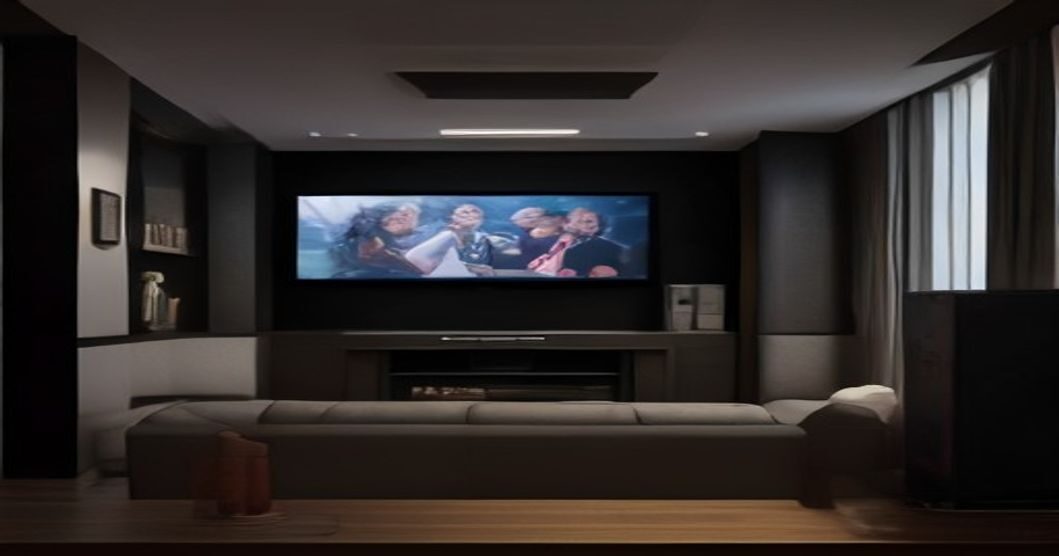
Best Music Setup for Home Entertainment
When it comes to creating an immersive home entertainment experience, a well-crafted music setup is essential. Whether you’re a movie buff, a music enthusiast, or a gamer, a good music setup can elevate your entertainment to new heights. In this article, we’ll explore the best music setup for home entertainment, covering the key components, technologies, and best practices to help you create an unforgettable audio experience.
Understanding the Basics of Home Audio
Before diving into the nitty-gritty of setting up a music system, it’s essential to understand the fundamental components of home audio. The three primary elements are the source, the amplifier, and the speakers. The source can be a CD player, a DVD player, a streaming device, or a soundbar. The amplifier is responsible for amplifying the audio signal, while the speakers convert the electrical signal into sound waves.
The Importance of Speaker Placement
Speaker placement is crucial in creating a balanced and immersive audio experience. The ideal placement of speakers depends on the type of speakers and the room’s acoustics. Generally, speakers should be placed at ear level, angled inward, and equidistant from the listening position. However, this can vary depending on the type of speaker, such as bookshelf speakers, floor-standing speakers, or in-ceiling speakers.
- Bookshelf speakers: placed on a shelf or stand, angled inward, and equidistant from the listening position.
- Floor-standing speakers: placed at ear level, angled inward, and equidistant from the listening position.
- In-ceiling speakers: placed in the ceiling, angled downward, and equidistant from the listening position.
Types of Speakers and Their Characteristics
There are several types of speakers, each with its unique characteristics. The choice of speaker depends on the room’s size, the type of music, and personal preference. Some popular types of speakers include:
- Bookshelf speakers: compact, versatile, and suitable for small rooms.
- Floor-standing speakers: larger, more powerful, and suitable for larger rooms.
- In-ceiling speakers: discreet, versatile, and suitable for rooms with limited space.
- Subwoofers: dedicated to low-frequency effects, suitable for bass-heavy music.
Amplifiers and Their Types
Amplifiers play a crucial role in a music setup, as they amplify the audio signal to drive the speakers. There are several types of amplifiers, each with its unique characteristics. Some popular types of amplifiers include:
- Integrated amplifiers: combine an amplifier and a preamplifier in one unit.
- Power amplifiers: focus on amplifying the audio signal, often used in home theaters.
- Receiver amplifiers: combine an amplifier and a receiver in one unit, often used in home theaters.
Soundbars and Their Benefits
Soundbars are a popular alternative to traditional home audio systems. They combine a speaker, an amplifier, and a receiver in one unit, making them an attractive option for those who want a simple and space-saving solution. Soundbars offer several benefits, including:
- Compact design: ideal for small rooms or apartments.
- Easy installation: plug-and-play functionality.
- All-in-one solution: eliminates the need for separate components.
Calibrating Your Music Setup
Calibrating your music setup is crucial to achieve the best possible audio experience. This involves adjusting the speaker settings, the amplifier settings, and the room’s acoustics to create a balanced and immersive sound. Some tips for calibrating your music setup include:
- Adjust the speaker settings to achieve the desired sound balance.
- Experiment with different amplifier settings to optimize the sound.
- Use room correction software to optimize the room’s acoustics.
Practical Tips for Creating an Unforgettable Audio Experience
Creating an unforgettable audio experience requires attention to detail and a willingness to experiment. Here are some practical tips to help you achieve the best possible sound:
Q: What is the ideal speaker placement for a home theater system?
A: The ideal speaker placement for a home theater system involves placing the speakers at ear level, angled inward, and equidistant from the listening position. However, this can vary depending on the type of speaker and the room’s acoustics.
Q: What is the difference between a soundbar and a home audio system?
A: A soundbar is a compact, all-in-one solution that combines a speaker, an amplifier, and a receiver in one unit. A home audio system, on the other hand, consists of separate components, such as a source, an amplifier, and speakers.
Q: How do I calibrate my music setup for the best possible audio experience?
A: Calibrating your music setup involves adjusting the speaker settings, the amplifier settings, and the room’s acoustics to create a balanced and immersive sound. Experiment with different settings, use room correction software, and adjust the speaker settings to achieve the desired sound balance.
Q: What is the best type of speaker for a small room?
A: For small rooms, bookshelf speakers are a popular choice due to their compact design and versatility. However, floor-standing speakers can also be suitable for small rooms, depending on the room’s size and the type of music.
Conclusion
Creating an unforgettable audio experience requires attention to detail and a willingness to experiment. By understanding the basics of home audio, choosing the right speakers and amplifier, and calibrating your music setup, you can create a home entertainment experience that rivals the best commercial theaters. Remember, the key to an unforgettable audio experience is a well-crafted music setup that balances power, clarity, and depth. With the right setup and a little experimentation, you can create a home audio experience that will leave you and your guests in awe.